Baseball began to develop in the 1800s and became one of the most popular sports in the world. The game was shaped by early rule changes, especially the Knickerbocker Rules in 1845, which helped standardize how baseball was played. Over time, the sport grew from a local pastime into a professional game watched by millions. Baseball became more than just a sport because it connected people through teamwork, competition, and tradition. It spread across communities, schools, and countries, becoming a major part of American culture and eventually a global game. Its influence can also be seen in media, fashion, and entertainment, showing that baseball has an impact beyond the field. The game also played an important social role. Baseball helped break barriers, especially through Jackie Robinson’s historic entry into Major League Baseball in 1947, which became a major step toward integration. Women’s baseball also grew over time, including the All-American Girls Professional Baseball League during World War II, which gave many women the chance to compete professionally. Baseball has remained popular because it is played in many different places, from school fields and local parks to major stadiums. It gives players a chance to develop skill, discipline, and teamwork, while also giving fans a strong sense of community and identity. Its long history shows how a simple game became a lasting part of sport and culture.
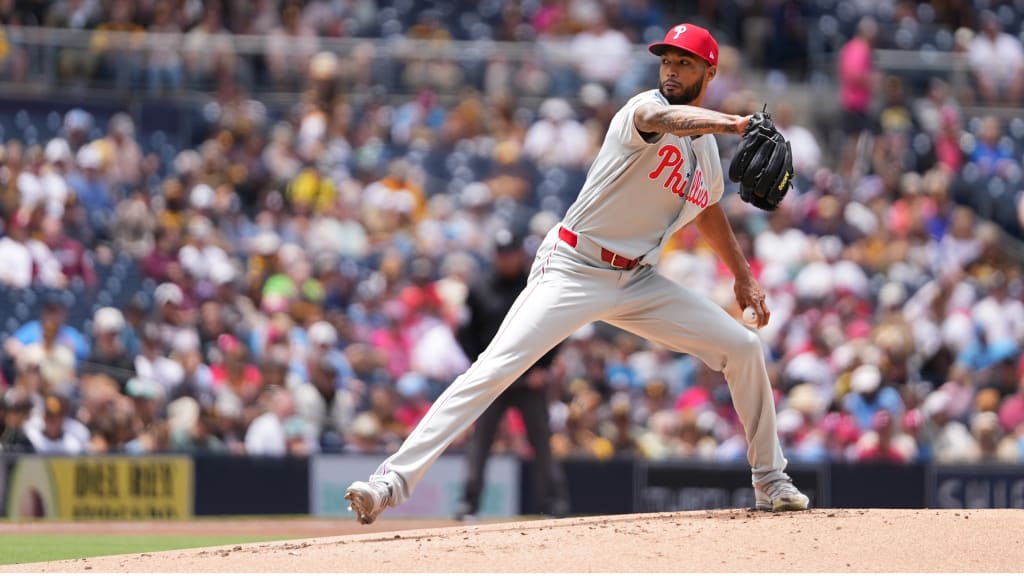
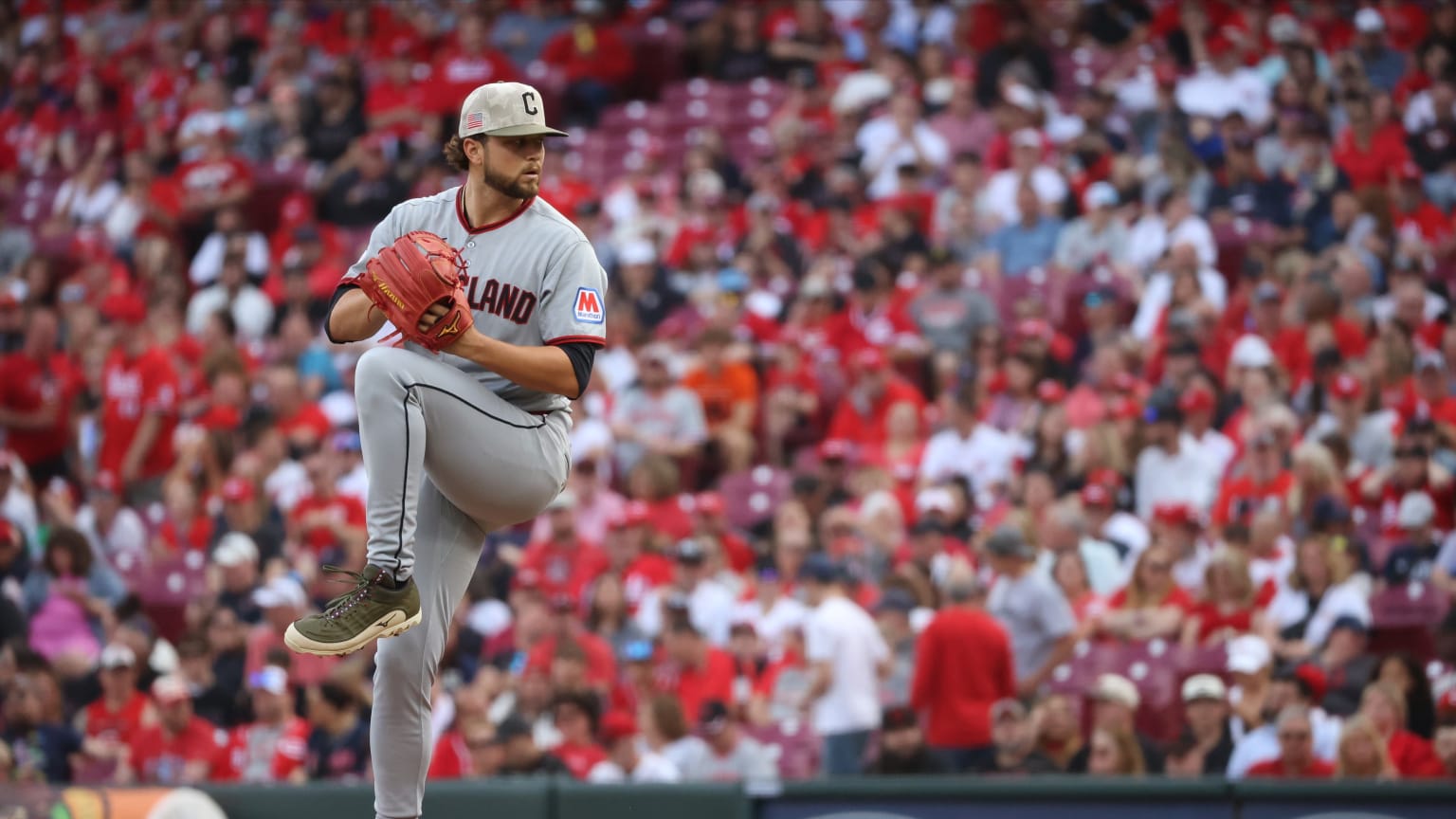
Baseball has also had a strong social impact. It has helped bring people together and has often been connected to ideas of equality, opportunity, and community pride. Women’s baseball and youth baseball have both continued to grow, showing that the sport still reaches new people every year. By 2026, baseball is still one of the most recognized sports in the world. From local games to professional leagues, its history shows a clear journey from a simple pastime to a major cultural force. Overall, baseball remains important because it combines tradition, competition, and community.